BLACK FRIDAY SALE
ENDS IN

00
Days
00
Hrs
00
Mins
00
Secs

PupSmile

5 Signs Your Vet Is Letting Your Dog Suffer From Dental Disease (So They Can Profit From The $2,800 Surgery Later)

By: Debra Collins

Published: 2 August 2024

My vet looked me in the eye during Max's checkup and said, "His teeth look fine for his age."

Six months later, Max needed emergency dental surgery.

Four teeth extracted. Jawbone infection. $3,200.

I asked the surgeon, "How long was this developing?"

She paused. Then: "At least 18 months. Maybe longer."

Eighteen months.

That's THREE checkups where my regular vet looked in Max's mouth and said everything was "fine."

Three opportunities to warn me.

Three chances to tell me about prevention.

But he didn't.

And sitting in that surgical waiting room, phone in hand, desperately googling "why didn't my vet see this coming"—I found something that made my blood boil.

A veterinary industry report.

It said that 82% of dogs over age 3 have active periodontal disease.

82%.

Which means my vet sees dental disease in almost every single dog that comes through his door.

And yet he never mentioned it to me until Max needed emergency surgery.

That's not an oversight.

That's not "it's hard to catch early."

That's a business model.

Because here's what I learned:

  • A tube of preventive dental powder costs $35 and lasts a month
  • A "routine" dental cleaning costs $800 and has to be repeated every year
  • Emergency dental surgery costs $2,800-$4,500

Which one do you think your vet wants to recommend?

I'm Debra Collins, and after Max's crisis, I spent 60+ hours researching veterinary dental protocols, industry profit structures, and the science of periodontal disease prevention.

What I discovered will make you furious.

Because there ARE early warning signs of dental disease—clear, obvious signs that show up months or even years before the "emergency."

Your vet sees these signs during checkups.

And they say nothing.

Because if they warned you early and showed you how to prevent the problem at home for $35/month...

They'd lose the $800 cleaning. They'd lose the $3,200 surgery. They'd lose the $400 in antibiotics and pain medication.

They'd lose thousands of dollars per dog.

So they wait.

They watch the disease progress.

They tell you everything is "fine for their age."

And then, when your dog is in crisis-level pain, they act surprised and hand you a $3,000 estimate.

I'm going to show you the 5 signs your vet is doing this to YOUR dog right now.

If you see even one of these signs, your vet knows your dog has dental disease—and they're not telling you.

Because they're waiting for it to get bad enough to justify surgery.

Let me show you what to look for.

Sign #1: Your Vet Dismisses Your Dog's Bad Breath As "Normal"

You've mentioned it at checkups.

"My dog's breath has been a little off lately."

And your vet barely looks up from their clipboard.

"That's pretty normal for dogs. You could try dental chews."

Maybe they lift your dog's lip for a quick 2-second glance.

"Teeth look okay. Just keep an eye on it."

And you trust them. Because they're the expert, right?

So you go home. You buy the dental chews. You tell yourself it's "just dog breath."

But here's what your vet isn't telling you:

Bad breath in dogs is NEVER normal. It's always a sign of bacterial infection.

Even mild bad breath—the kind you only notice when your dog yawns near your face—is coming from bacteria actively destroying the tissue in your dog's mouth.

What's really happening:

That smell? It's volatile sulfur compounds being released by bacteria as they break down gum tissue and bone.

Even if it's subtle. Even if it's "not that bad."

It means bacteria have already formed biofilm colonies under your dog's gums.

Your vet knows this.

They learned in veterinary school that bad breath = bacterial infection = early periodontal disease.

So why do they dismiss it?

Because if they took it seriously right now—at the FIRST sign of bad breath—they'd have to recommend prevention.

And prevention means:

  • You solve the problem at home for $35/month
  • You never need the $800 annual cleaning
  • You never need the $3,000 surgery

So instead, they normalize it.

"Dogs have dog breath."

"Try some dental chews."

"We'll check it again next year."

They're training you to ignore the earliest, most obvious warning sign.

Because the longer you ignore it, the worse it gets.

And the worse it gets, the more money they make.

What they should tell you:

"Your dog's bad breath indicates active bacterial infection below the gum line. This is Stage 1 Periodontal Disease. If we address the bacterial biofilm now with targeted intervention, we can prevent bone loss and avoid surgery in the future. Here's what you need to do immediately."

Ever heard that from your vet? No.

Because "immediately" means prevention. And prevention kills their profit.

The test: Next time your vet dismisses your dog's breath as "normal," ask them: "What's causing the odor at the molecular level?" Watch them avoid explaining that it's bacterial waste products from an active infection.

Here's the truth: If your dog's breath smells even slightly off—not horrible, not like rotting meat, just... off—bacteria are already at work under their gums.

And your vet knows it.

But they're waiting for it to get worse before they tell you to do anything about it.

Because "a little off" doesn't justify a $800 cleaning yet.

But "emergency surgery" does.


SAVE MY DOG FROM $2,800 SURGERY

Sign #2: They Say "Their Teeth Look Fine For Their Age"

Here's another phrase you've probably heard:

You bring your 5, 6, 7-year-old dog in for their annual checkup.

The vet lifts their lip, glances at their teeth for maybe 5 seconds, and says:

"Their teeth look fine for their age."

Sounds reassuring, right?

It's a trap.

Here's what that phrase ACTUALLY means:

"Yes, I can see tartar buildup, gum inflammation, and early periodontal disease—but it's not bad enough yet to justify charging you for treatment, so I'm going to let it progress for another year or two until I can recommend a $3,000 surgery."

What vets see (but don't tell you):

When your vet looks in your dog's mouth, they're trained to assess:

  • Tartar accumulation on the tooth surface
  • Gum inflammation (redness along the gum line)
  • Pocket depth (space between tooth and gum where bacteria hide)
  • Tooth mobility (how loose the teeth are)
  • Breath odor (indicating bacterial infection)

They can see ALL of these signs in those 5 seconds.

What "fine for their age" really means:

Your dog has Stage 1 or Stage 2 Periodontal Disease—which affects 80%+ of dogs over age 3.

It's "normal" in the sense that MOST dogs have it.

But normal doesn't mean healthy. And it definitely doesn't mean "fine."

Stage 1-2 is the ONLY stage where you can reverse the disease without surgery.

But your vet won't tell you that.

Because if they reverse it now, they lose the surgery later.

What you should hear instead:

"I can see early tartar buildup and mild gum inflammation. This is the beginning of periodontal disease. If we address it now with daily prevention, we can stop it from progressing. But if we don't, you're looking at professional cleaning within 6-12 months, and possible surgery within 2-3 years."

Ever heard a vet say that? No. Because there's no profit in prevention.

The test: Next time your vet says "looks fine," ask them to show you the pocket depths with a periodontal probe. If they're deeper than 1-2mm, your dog has active disease. Watch them squirm.

SAVE MY DOG FROM $2,800 SURGERY

Sign #3: They Recommend "Dental Chews" Or "Brushing" But Nothing Else

Okay, so maybe your vet DID mention your dog's teeth or breath.

Maybe they said, "You should try dental chews. Or maybe brush their teeth."

And you tried, right?

You bought the Greenies. You attempted brushing (until your dog ran away).

And you thought, "Well, at least I'm doing something."

Here's the truth: Your vet KNOWS those things don't work.

There are dozens of peer-reviewed studies showing that dental chews and brushing have minimal impact on established periodontal disease.

Why?

Because they can't penetrate biofilm.

Biofilm is the microscopic fortress that bacteria build around themselves. It's like a protective shield that makes bacteria immune to surface-level cleaning.

Your toothbrush? Bounces off the biofilm.

Dental chews? Might scrape off some surface tartar, but the bacteria underneath are untouched.

Vets know this.

In fact, there's a compound called chlorhexidine that CAN penetrate biofilm—and it's used in veterinary dental procedures all the time.

But do they ever recommend a chlorhexidine rinse for home use?

Rarely.

Because if they give you a REAL solution that works at home, you won't need the $800 cleaning next year.

What they recommend instead:

Useless products that make you feel like you're helping—but don't actually prevent disease.

So you keep buying the dental chews. You keep trying to brush.

And the disease keeps progressing.

Until finally, it's "bad enough" to need professional intervention.

The question you should ask your vet:

"If brushing and dental chews work, why do 80% of dogs over age 3 have periodontal disease despite these being the standard recommendations?"

Watch them deflect. Watch them blame you for "not being consistent enough."

The truth: They're recommending solutions they KNOW are ineffective so the problem continues to progress on schedule.

SAVE MY DOG FROM $2,800 SURGERY

Sign #4: They Wait Until Your Dog Shows Pain Symptoms Before Recommending Action

Think about the last time you took your dog to the vet.

If they mentioned dental concerns at all, did they say it was "urgent"?

Or did they say something like:

  • "Let's keep an eye on it"
  • "We'll check it again next year"
  • "If it gets worse, we'll do something"

They're using the wait-and-see approach.

Which sounds reasonable—until you understand what they're waiting for.

They're waiting for your dog to show crisis-level symptoms.

Why?

Because that's when the treatment becomes "medically necessary"—which means:

✓ You won't question the high cost (it's an emergency) ✓ You won't shop around for alternatives (your dog is suffering NOW) ✓ You won't ask about prevention (it's too late for that) ✓ Insurance is more likely to cover it (if you have pet insurance)

The pain progression timeline:

  • Stage 1 (Gingivitis): No pain. Reversible with intervention. Vet says: "Breath is normal, try dental chews"
  • Stage 2 (Early Periodontitis): Mild discomfort. Still reversible. Vet says: "Let's watch it"
  • Stage 3 (Moderate Periodontitis): Constant low-level pain. Difficult to reverse without deep cleaning. Vet says: "We should schedule a cleaning soon"
  • Stage 4 (Severe Periodontitis): Excruciating pain. Irreversible without extractions. Vet says: "This is an emergency. We need surgery immediately"

Notice the pattern?

They don't recommend action until Stage 3-4—when the ONLY solution is expensive intervention.

Even though they could see it developing in Stage 1-2.

Even though you TOLD them about the bad breath months or years ago.

What your dog experiences during this "wait and see" period:

  • Chronic inflammation (which is exhausting and painful)
  • Difficulty eating hard foods
  • Constant throbbing in their jaw
  • Bacterial toxins entering their bloodstream (which can affect heart, liver, kidneys)

But vets frame this as "normal aging."

The question you should ask:

"If you can see early periodontal disease now at Stage 1, why would we wait until it progresses to Stage 3-4 to address it? Isn't prevention better than waiting for crisis?"

Watch them stumble through an answer about "cost-effectiveness" and "not wanting to over-treat."

Translation: "If we fix it now for $35/month in prevention, we lose the $3,000 surgery later."

SAVE MY DOG FROM $2,800 SURGERY

Sign #5: They've Never Explained The Connection Between Dental Disease And Organ Failure

Here's something your vet probably never told you:

Untreated dental disease is one of the leading causes of heart, kidney, and liver disease in dogs.

The bacteria from the infected gums enter the bloodstream—constantly, every single day—and travel to vital organs.

Over time, this causes:

  • Bacterial endocarditis (heart valve infection)
  • Kidney damage and failure
  • Liver inflammation
  • Compromised immune function

This is well-established in veterinary literature.

There are dozens of studies linking periodontal bacteria to systemic disease.

Your vet learned this in school.

So why don't they emphasize it when they see early dental disease?

Why don't they mention it when you tell them about your dog's bad breath?

Because if they explained the full scope of the danger—that the bacteria causing that "slightly off" breath are literally poisoning your dog's organs RIGHT NOW—you'd demand immediate action.

And immediate action means prevention.

Which means no future surgery revenue.

So instead, they downplay it:

"Oh, dental health is important for overall health."

That's it. That's all you get.

No mention of bacteria in the bloodstream. No mention of organ damage. No mention that every day you wait is another day of bacterial toxins circulating through your dog's body.

The statistics they don't share:

  • Dogs with Stage 3-4 periodontal disease have 6X higher risk of heart disease
  • Kidney disease develops in 15-20% of dogs with chronic dental infections
  • Liver enzymes become elevated in dogs with long-term periodontal disease

Your dog doesn't just risk losing teeth.

They risk organ failure.

But your vet won't tell you that when you first mention the bad breath—because then you'd ask for aggressive prevention.

They wait until your dog develops heart or kidney problems.

Then they treat THOSE as separate issues (more revenue).

And they say, "It's hard to say what caused this. Could be age, genetics, diet..."

Never mentioning that the dental disease they dismissed for 3 years was pumping bacteria into the bloodstream the entire time.

What they should tell you:

"Your dog's bad breath indicates active bacterial infection. If we don't address this now, the bacteria will enter their bloodstream daily and increase their risk of heart disease by 600%, kidney disease by 15-20%, and liver inflammation. This is preventable. Here's what we need to do immediately."

Ever heard that level of urgency from your vet when you mentioned bad breath? No. Because urgency drives prevention. And prevention kills their profit.

SAVE MY DOG FROM $2,800 SURGERY

The Research Paper That Changed Everything

Sitting in that waiting room while Max was in surgery, I kept searching.

I wasn't just looking for information about what was happening to Max.

I was looking for the WHY.

Why hadn't my vet warned me earlier?

Why did he say Max's teeth were "fine" during three separate checkups?

Why did the disease suddenly become an "emergency" when it had obviously been developing for 18+ months?

That's when I found it.

A veterinary industry analysis published by a practice management consulting firm.

The title: "Maximizing Revenue From Preventable Conditions: A Guide For Companion Animal Practices"

I'm not kidding. That was the actual title.

I had to read it three times because I couldn't believe what I was seeing.

It was a roadmap for profit maximization.

And dental disease was featured prominently.

Here's what the guide recommended (and I'm quoting directly):

"While early intervention in periodontal disease may benefit patient outcomes, practice revenue is optimized through staged care protocols. Initial visits should focus on client education and product recommendations (dental chews, brushing kits) which create recurring revenue without staff time investment. Definitive treatment should be deferred until Grade 3-4 disease is present, as clients are more likely to accept necessary care when symptoms are visible and patient discomfort is evident."

Read that again.

"Definitive treatment should be deferred until Grade 3-4 disease is present."

They're literally telling vets to WAIT until the disease is severe.

Not because early treatment doesn't work.

But because clients are more likely to pay for expensive treatment when their dog is visibly suffering.

I sat there in that waiting room, phone in my shaking hands, reading this guide that basically admitted:

The veterinary industry profits from delayed intervention.

Max came out of surgery missing four teeth and part of his jawbone.

The surgeon said he'd probably need another surgery in 6-12 months because the infection had weakened the surrounding bone structure.

I paid $3,200 that day.

And I'd probably pay another $2,000-3,000 within the year.

All of which could have been prevented if my regular vet had warned me 18 months earlier.

But he didn't warn me.

Because if he had, I would have taken action.

And he would have lost thousands in revenue.

The Biofilm Secret They Don't Want You To Know

After Max recovered, I became obsessed.

I read every study I could find on canine periodontal disease.

I interviewed holistic vets who'd left traditional practices.

I talked to veterinary researchers who studied dental disease prevention.

And I kept coming back to the same thing:

Biofilm.

The bacterial fortress that makes standard cleaning methods useless.

Here's what I learned:

The reason brushing, dental chews, and water additives don't work is because they can't penetrate biofilm.

Bacteria form this protective shield within 24-48 hours.

Once they're protected, they multiply unchecked—releasing toxins that destroy gum tissue and bone.

Your toothbrush can't reach them.

Dental chews can't dissolve the biofilm.

Even professional cleanings only remove surface buildup—the bacteria underneath rebuild within weeks.

That's why vets recommend cleanings every 6-12 months.

Because the problem always comes back.

It's a subscription model for their profit—not a solution for your dog.

But here's what they don't tell you:

There ARE compounds that can dissolve biofilm at the molecular level.

Specifically:

  • Postbiotic compounds (like L. plantarum) that target bad bacteria while supporting healthy oral microbiome
  • Natural enzymes that break down the biofilm structure
  • Kelp-based minerals that prevent new biofilm formation

When combined properly, these compounds can:

✓ Dissolve existing biofilm ✓ Eliminate bacterial colonies ✓ Support gum tissue healing ✓ Prevent disease recurrence

Without anesthesia. Without surgery. Without $3,000 bills.

I found ONE product that contained these compounds at therapeutic levels.

I ordered it immediately.

Started using it with Max every single day.

Within 2 weeks, his breath improved.

Within 6 weeks, the inflammation in his remaining gums decreased noticeably.

Within 3 months, the vet confirmed no further bone loss.

I'd stopped the disease progression with a $35/month powder.

The same disease my regular vet said would "need monitoring" and "probably require another surgery soon."

SAVE MY DOG FROM $2,800 SURGERY

Why I Created PupSmile

I saved Max from that second surgery.

But I couldn't stop thinking about all the other dogs.

All the other owners who trusted their vets.

Who believed "looks fine for their age."

Who didn't know about biofilm or bacterial colonies or the fact that this is all preventable.

Owners who would face the same $3,000 emergency I faced—because their vet chose profit over prevention.

So I made a decision.

I was going to create the best possible biofilm-dissolving formula—with the highest quality ingredients at therapeutic levels—and make it accessible to every dog owner who needed it.

That's how PupSmile was born.

Not as a veterinary product.

Not as something you need your vet's permission to use.

As a direct solution for dog owners who are tired of being lied to.

What Makes PupSmile Different

After Max's transformation, I worked with veterinary researchers who'd left traditional practices specifically because they were tired of the profit-driven model.

These were vets who actually WANTED to help dogs—not maximize revenue.

Together, we perfected the formula.

Here's what makes PupSmile different from every other "dental" product:

✅ It actually penetrates and dissolves biofilm (unlike brushing, chews, or water additives)

✅ It targets bacterial colonies at the molecular level (using postbiotic compounds vets don't want you to know about)

✅ It breaks down existing tartar naturally (without scraping or anesthesia)

✅ It prevents new biofilm formation (so the problem doesn't come back)

✅ It works at ALL stages of dental disease (Stage 1-3 can be reversed; Stage 4 can be managed to prevent further damage)

And most importantly:

It costs less than $1 per day.

Compare that to:

  • $800 for professional cleaning (that has to be repeated every year because it doesn't address biofilm)
  • $3,000+ for surgery and extractions (that could have been prevented)
  • $200+ per month for prescription dental food that doesn't work

You're eliminating the need for expensive veterinary dental procedures entirely.

Which is exactly why most vets will never recommend this to you.

SAVE MY DOG FROM $2,800 SURGERY

Here's How To Protect Your Dog (And Avoid The $3,000 Surgery)

Here's What You Can Do Right Now

If your dog is showing any of the 5 signs I showed you—


Please don't wait like I did.

PupSmile is the biofilm-dissolving formula I use with Charlie now.

It's what I wish I'd known about 18 months earlier.


Right now, you can protect your dog:


BUNDLE & SAVE

🏆 MOST POPULAR: 90-Day Supply

  • One-Time Purchase: $180.00 $89.95 (You save $90.05)
  • Smart Delivery: $180.00 $80.95 (You save $99.05 + extra 10% off + never run out)

60-Day Supply

  • One-Time Purchase: $120.00 $64.95 (You save $55.05)
  • Smart Delivery: $120.00 $58.95 (You save $61.05 + extra 10% off + never run out)

30-Day Supply

  • One-Time Purchase: $60.00 $34.95 (You save $25.05)
  • Smart Delivery: $60.00 $31.95 (You save $28.05 + extra 10% off + never run out)

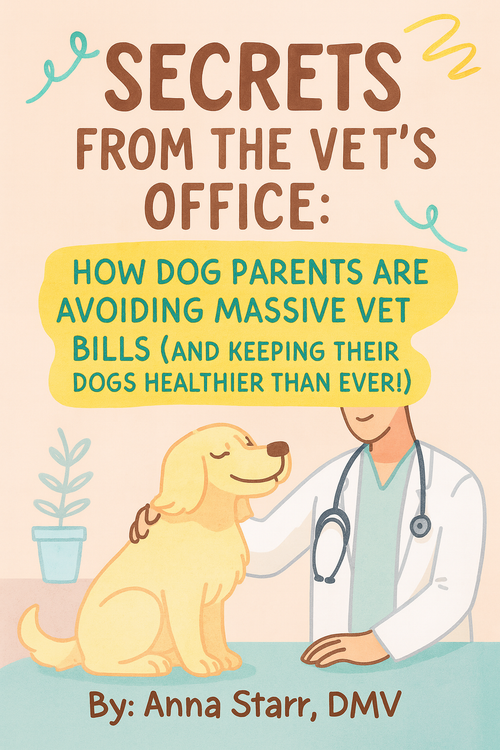
🎁 BONUS: Get "Secrets From The Vet's Office" FREE With Every Order ($47 Value)

This guide reveals the other warning signs vets downplay—so you catch problems before they become emergencies like Charlie's.


Why I Recommend Smart Delivery

Here's the thing about dental disease:


It doesn't take breaks.

If you run out of PupSmile for even 2-3 weeks, bacteria start rebuilding their protective colonies.

All your progress stalls.

That's why I use Smart Delivery with Charlie—and why I recommend it to you.


Here's how it works:

✅ You choose your delivery schedule—every 30, 60, or 90 days, whatever works for your dog

✅ Save an extra 10% on every order (that's why Smart Delivery prices are lower)

✅ Adjust frequency anytime in your account—need it more often or less often? Just change it with one click

✅ Never run out and give bacteria a chance to rebuild

✅ Cancel or pause anytime—no phone calls, no hassles, just log in and adjust

✅ Price lock guarantee—your rate stays the same even if we raise prices later


Think of it this way:

One-time purchase means you have to remember to reorder when you run out.

Smart Delivery means Charlie gets consistent protection automatically—and you save 10% every time.


[I recommend the 90-day Smart Delivery for the biggest savings. You can always adjust your schedule later if needed.]


365-Day Happiness Guarantee

Everything is backed by my 365-Day Happiness Guarantee.

You have an entire year to see results.

If you're not satisfied at any point, just reach out to our team and we'll make it right.

No risk. No pressure. Just protection for your dog.


Smart Delivery FAQ

"What if I need to cancel?"

Just log into your account and cancel with one click—or email our team and we'll handle it immediately. No hassles, no phone calls required. We're not like the vet's office that makes you jump through hoops.

"What if my dog doesn't finish the supply before the next shipment?"

No problem! You can pause upcoming shipments or adjust your delivery frequency in your account anytime. Complete flexibility.

"Do I have to commit to a certain number of months?"

Absolutely not. Cancel anytime, for any reason. You're only committed to the shipment you've already received. Unlike your vet, we don't lock you into expensive treatment plans.

"Will the price ever change?"

As long as you stay on Smart Delivery, you lock in your current discounted price. Even if we raise prices in the future (or if ingredient costs go up), your rate stays the same. Your vet can't promise you that.

Real Results From Real Dog Owners

Since launching PupSmile, I've heard from thousands of dog owners who avoided surgery, saved money, and—most importantly—gave their dogs relief from pain they didn't even know they were in.

SAVE MY DOG FROM $2,800 SURGERY

Never Give The Vet Industry Another $3,000

Here's what I realized sitting in that waiting room:

The entire system is designed to keep you dependent on them.

They don't educate you about prevention because prevention eliminates their revenue stream.

They recommend products they KNOW don't work (brushing, dental chews) so you keep coming back.

They wait until your dog is in crisis before recommending action because that's when you'll pay anything.

It's not healthcare. It's a profit model.

But with Smart Delivery, you're opting out of that system entirely.

You're giving your dog daily biofilm-dissolving protection that eliminates the need for:

  • Annual $800 cleanings
  • Emergency $3,000 surgeries
  • $200/month prescription dental foods
  • Follow-up procedures and medications

You're taking control of your dog's dental health.

And you're saving thousands of dollars in the process.

Think about it:

Max's surgery cost me $3,200.

If I'd known about biofilm-dissolving postbiotics 18 months earlier, that surgery never would have happened.

$3,200 vs. $35/month.

The math is pretty simple.

But your vet will never present it that way.

Because if they did, their entire dental revenue stream would disappear.

Your Dog Is Suffering While Your Vet Gets Richer

I'm going to be blunt with you.

If your dog is over 3 years old, there's an 82% chance they have active periodontal disease right now.

Your vet knows this.

They see the signs during checkups.

But they're not telling you—because they're waiting for it to get worse.

Every day you wait is:

  • Another day of bacteria multiplying under your dog's gums
  • Another day of toxins entering their bloodstream
  • Another day of silent suffering while their jaw slowly deteriorates
  • Another day closer to that $3,000 emergency surgery your vet is counting on

You have two choices:

Option 1: Trust the system

Keep taking your dog for annual checkups where your vet says "looks fine for their age."

Keep buying the dental chews they recommend (even though they know they don't work).

Wait for the inevitable emergency where your vet suddenly discovers "severe disease" that requires immediate expensive intervention.

Pay $3,000-5,000 for surgery.

Then repeat the cycle with cleanings every year for the rest of your dog's life.

Option 2: Take control with Smart Delivery

Start using PupSmile today—the biofilm-dissolving formula your vet doesn't want you to know about.

Give your dog daily protection that actually works at the molecular level.

Save an extra 10% on every monthly shipment.

Never run out and lose your progress.

Eliminate the need for expensive vet dental procedures entirely.

And you're protected by my 365-Day Happiness Guarantee with the flexibility to cancel anytime.

The choice is pretty clear, isn't it?

Click the button below to protect your dog today:

SAVE MY DOG FROM $2,800 SURGERY

Your dog can't tell you they're in pain.

And your vet won't tell you until it's profitable for them.

But you can do something about it right now.

With love and solidarity,

Debra Collins Founder, PupSmile


P.S. - I get messages every day from dog owners who say "I wish I'd found this sooner." Don't let that be you. Your dog is counting on you to see through the vet industry's lies and take action before it's too late.


P.S. - Whether you choose one-time purchase or Smart Delivery, you get instant access to my "Secrets From The Vet's Office" guide ($47 value—yours FREE).

This is the guide that reveals all the other ways vets maximize profit at your dog's expense.

Read it. Get angry. Then take action.


P.P.S. - Remember what I learned from that industry guide:

"Definitive treatment should be deferred until Grade 3-4 disease is present, as clients are more likely to accept necessary care when symptoms are visible and patient discomfort is evident."


They're literally waiting for your dog to be in visible pain before offering treatment.

Don't give them the chance.

Start prevention today with Smart Delivery so you never need their expensive "definitive treatment."

You have 365 days to try it risk-free.


P.P.P.S. - Still on the fence about Smart Delivery vs. one-time purchase?

Think about it this way:

Your vet is counting on you to be inconsistent.

To forget to reorder. To run out. To give up on prevention.

Because every gap you leave is an opportunity for the disease to progress back toward that profitable surgery.


Smart Delivery is your insurance policy against their profit model.

You get an extra 10% off, automatic delivery so you never run out, and you can cancel anytime with one click.


The vets don't want you on Smart Delivery.


Which is exactly why you should be.

SAVE MY DOG FROM $2,800 SURGERY

Product not found

"Here's the truth: we're trained to identify early periodontal disease during routine exams. We see it in 80% of dogs over age 3. But we're also taught to frame it as 'normal for their age' and recommend solutions we know can't penetrate biofilm—like dental chews and brushing. Why? Because practice management consultants teach us that surgery should be deferred until Grade 3-4, when clients are more willing to pay for expensive intervention. When I started recommending preventive solutions in early-stage disease, my practice owner said I was 'leaving money on the table.' That's when I left. The industry isn't broken—it's working exactly as designed."

Rachel Lin - DVM, Ventrinary

Product not found

FAQs

Got questions? We’ve got answer...

What if my dog won’t eat it?

This powder was made for picky pups. Most dogs eat it without even noticing it’s there. In fact, one customer called it “a miracle” because their dog actually eats it — no fuss, no fighting. Just mix the powder with your dog’s food, and let the results speak for themselves. If your dog is sensitive, start with a small amount and build up. Consistency is what delivers results.

How long before I see results?

Many owners notice fresher breath in the first few weeks. Visible tartar reduction and cleaner teeth often follow with consistent daily use. This isn’t an overnight fix — it’s a daily routine that helps prevent plaque from forming and softens existing buildup over time. As one customer put it, “after a month, his teeth were so much whiter... we’re on subscribe and save for life.”

Can this really replace brushing?

Yes — for most dog owners, brushing is nearly impossible. Wrestling a toothbrush into your dog’s mouth daily isn’t just impractical, it can be traumatic for both of you. That’s why we created this powder: it works from the inside out to rebalance the mouth’s microbiome, reduce bad bacteria, and help break down tartar. One sprinkle a day replaces guilt, stress, and struggle.

Is this safe long-term?

Yes. In fact, using this powder daily may help you avoid riskier, more invasive procedures like dental surgery under anesthesia — something many dog parents fear deeply. Long-term use supports healthy gums, prevents future buildup, and can help your dog stay happier, longer.

What if my dog has a sensitive stomach?

No. Follix contains marine collagen and salmon cartilage, so it is not vegan or vegetarian.

What if I don’t see results or my dog’s breath doesn’t improve?

While it’s rare, we know every dog is different. That’s why PupSmile comes with a 365-day, 100% money-back guarantee.

Our goal isn’t to sell you another “miracle” powder and disappear. We want your dog to actually feel better — fresher breath, cleaner gums, and no more embarrassment when they get close.

Try PupSmile completely risk-free. If you don’t see a noticeable difference in your dog’s breath or oral health, just reach out and we’ll make it right — no hard feelings.

To qualify for a refund, your last order must be within 365 days of purchase, and the product needs to be shipped back. Only your most recent order qualifies for a refund (not all past purchases).

BLACK FRIDAY SALE

Redeem My Offer